Have you ever wondered why MP4 continues to dominate the digital video space despite the emergence of newer formats? A proverb says, “Simplicity is the ultimate sophistication,” and this applies perfectly to MP4. Its enduring appeal lies in balancing quality, file size, and device compatibility, making it ideal for creators, consumers, and tech platforms alike. Whether you’re watching a tutorial, streaming entertainment, or archiving personal videos, MP4 is almost always supported. Today, users seek convenience and reliability when handling media files, which explains why platforms and tools, such as youtube to mp4 converters, continue to favor this format. But what exactly makes MP4 so dominant? Let’s explore the top five reasons.
Broad Device Compatibility
One of the strongest advantages of MP4 is its universal compatibility. Virtually every smartphone, tablet, computer, smart TV, and media player can read MP4 files without additional software. Unlike older formats that require conversions or plugins, MP4 plays seamlessly across operating systems such as Windows, macOS, Android, and iOS. This universal support eliminates frustration for both creators and viewers. From content creators uploading tutorials to companies sharing promotional videos, the ability to reach a wide audience without compatibility concerns makes MP4 an irreplaceable standard in digital media. Its adaptability also reduces workflow complications, saving time and technical effort.
Efficient Compression Without Sacrificing Quality
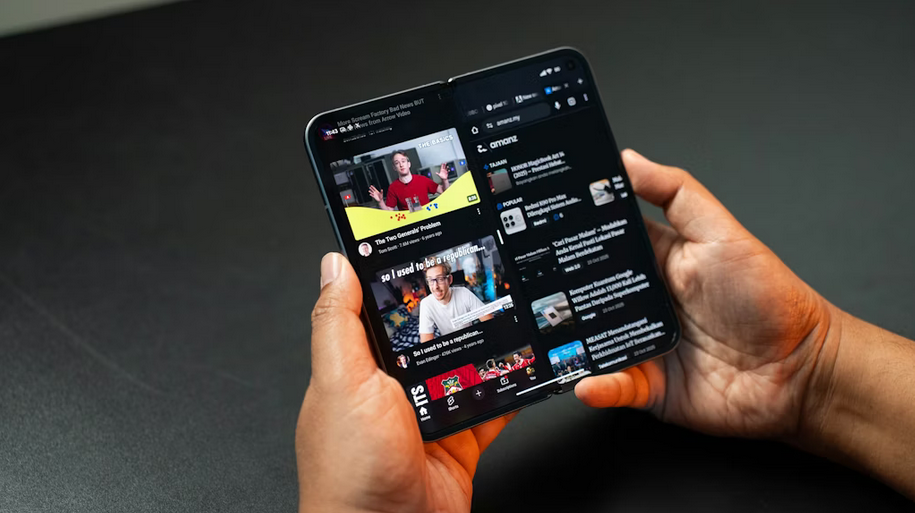
MP4 uses advanced compression methods that reduce file sizes significantly while retaining high video and audio quality. This compression efficiency makes it perfect for online streaming, downloads, and cloud storage. Users can store more videos on their devices without sacrificing resolution, while streaming platforms can deliver HD or even 4K content with minimal buffering. The balance between smaller file sizes and high-quality playback is crucial for creators and consumers alike. This capability gives MP4 a competitive edge over formats like AVI or MOV, which often produce larger files that are cumbersome to share or store.
Wide Adoption by Streaming Platforms
Another reason MP4 remains dominant is its strong adoption by online platforms. Major streaming services, video-sharing websites, and social media networks prefer MP4 for uploads and playback because it ensures consistent performance across devices. Its reliability in both streaming and offline viewing makes it a standard format for content creators aiming to maximize their reach. This widespread adoption has also driven the development of online tools and services that support MP4 downloads and conversions, further solidifying its position as the preferred format for video sharing worldwide.
Support for Advanced Features

MP4 is not only popular for basic playback but also for its support of advanced features. The format allows multiple audio tracks, subtitles, chapter markers, and interactive menus. This makes it suitable for professional projects like films, tutorials, and multimedia presentations. Users can enjoy a richer experience without needing additional software or complex file structures. Its capacity for diverse features without complicating file management has contributed to its enduring relevance. By accommodating both simple and sophisticated media requirements, MP4 meets the needs of casual users and professionals alike, further solidifying its top position.
Ease of Conversion and Editing
Finally, MP4 is highly flexible for editing and format conversion. Video editing software universally supports MP4, making it simple to cut, merge, add effects, or adjust encoding settings. Converting MP4 to other formats, if needed, is fast and does not typically compromise quality. This flexibility benefits content creators, marketers, and hobbyists who want a reliable starting format for projects. Additionally, the ease of integrating MP4 into workflows for online posting, presentations, or personal storage ensures that it remains a preferred choice for anyone handling digital media.
MP4 remains the most popular video format because it combines widespread compatibility, efficient compression, platform adoption, advanced features, and editing flexibility. Its balance of convenience and quality makes it suitable for a wide range of users—from casual viewers to professional creators. The format continues to simplify media handling while delivering excellent playback experiences across devices and platforms. As technology progresses, MP4’s reliability and adaptability ensure it will continue to be a primary choice for video storage, streaming, and sharing for years to come.