
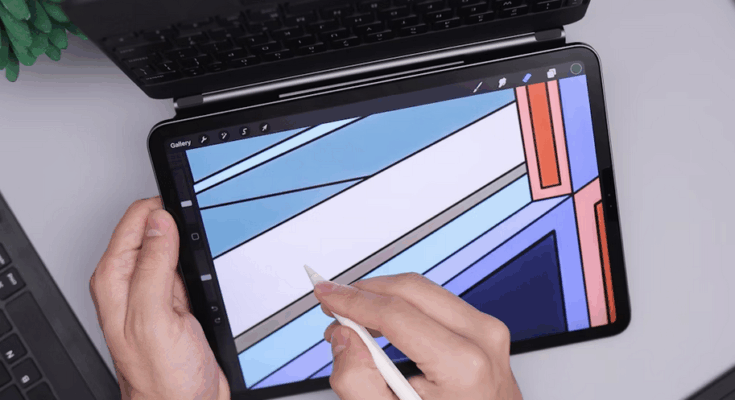
Can Machines Be Creative? The New Frontier of AI in Art and Music
Artificial intelligence is no longer confined to boring tasks like data crunching or customer service chatbots. Today, AI is stepping into the realm of creativity, generating art, composing music, and even writing poetry. This raises a fascinating question: can machines be creative? Or is AI simply mimicking human creativity without truly “feeling” it? As AI tools become more sophisticated, the boundary between human and machine-made art is blurring, sparking debates about originality, authorship, and the very nature of creativity itself.
What Does Creativity Even Mean?
Before deciding if machines can be creative, it helps to understand what creativity really is. Traditionally, creativity is about producing something new and valuable, often tied to human emotions, experiences, and intuition. It’s a mix of imagination, expression, and innovation. But creativity isn’t a fixed concept—artists and scientists have long debated its definition. AI challenges us to rethink this idea because it “creates” based on patterns, data, and algorithms rather than feelings or conscious intent.
How AI Is Making Art
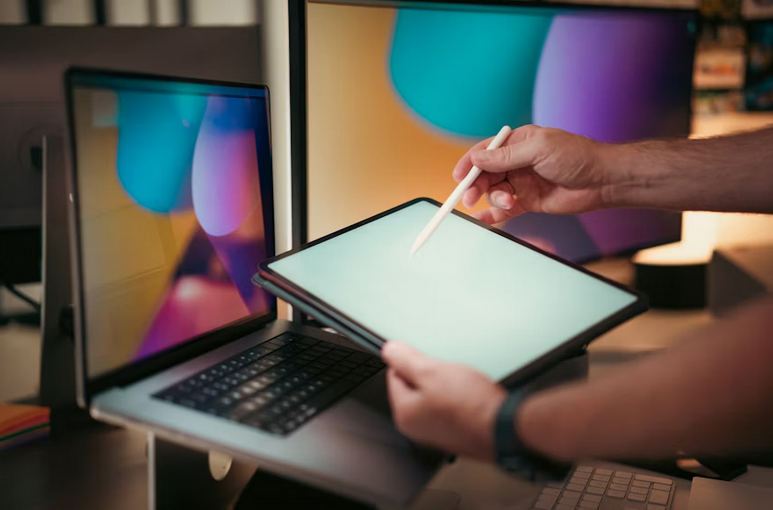
AI art has exploded onto the scene with programs that can generate stunning images from simple text prompts or by learning from thousands of artworks. Tools like DALL·E, Midjourney, and Stable Diffusion use machine learning to blend styles, create surreal landscapes, or produce portraits that look like they belong in galleries. What’s wild is how quickly AI can produce these pieces and how diverse the output can be. But many wonder if this counts as true art or just sophisticated copying of existing styles.
AI Composing Music: From Beats to Symphonies
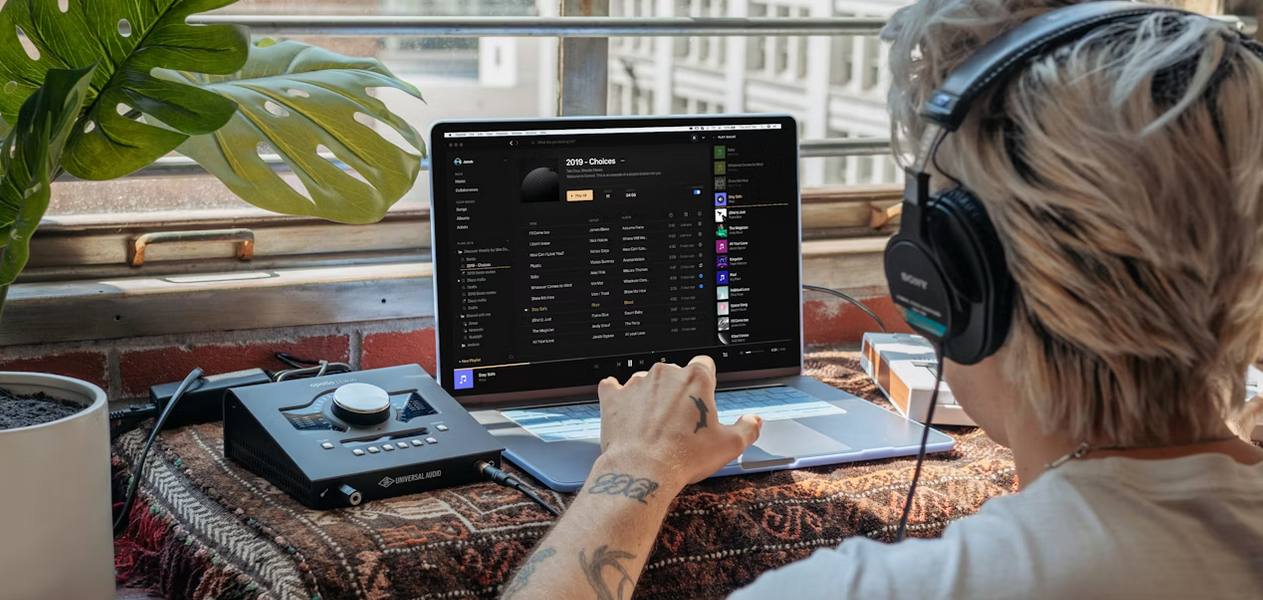
Music is another field where AI is making waves. From catchy pop beats to classical compositions, AI programs analyze patterns in music theory and styles to generate original tracks. Platforms like OpenAI’s Jukebox and AIVA are even composing music that sounds impressively human. Musicians are using AI as collaborators or tools to spark new ideas, blurring the line between human inspiration and machine assistance. Yet, the emotional connection people feel to music raises the question: Can a machine create something that moves us?
The Debate Over Originality and Authorship
One of the biggest controversies surrounding AI-generated art and music is the question of ownership and originality. If an AI creates a painting or a song, who owns it—the programmer, the user, or the machine? And if AI learns from existing works, is it truly creating something new or just remixing the past? These legal and ethical questions are still being worked out, and they challenge how we value creativity and intellectual property in the digital age.
The Future: Collaboration or Competition?
Instead of thinking of AI as a replacement for human creativity, many experts see it as a new tool that expands what artists and musicians can do. AI can help with brainstorming, refining ideas, or exploring styles that might be out of reach. The future of creativity might be a partnership—machines and humans working side-by-side to push the boundaries of art and music. But it’s clear that creativity, whether human or AI-driven, will keep evolving in exciting and unexpected ways.
AI’s foray into art and music is reshaping how we think about creativity, challenging old assumptions and opening new doors. While machines can generate impressive and novel works, true creativity involves more than just output—it’s about intention, emotion, and connection. For now, AI …
Can Machines Be Creative? The New Frontier of AI in Art and Music Read More